
Loading...
Serving Manhattan, KS and surrounding areas. (785) 236-2287
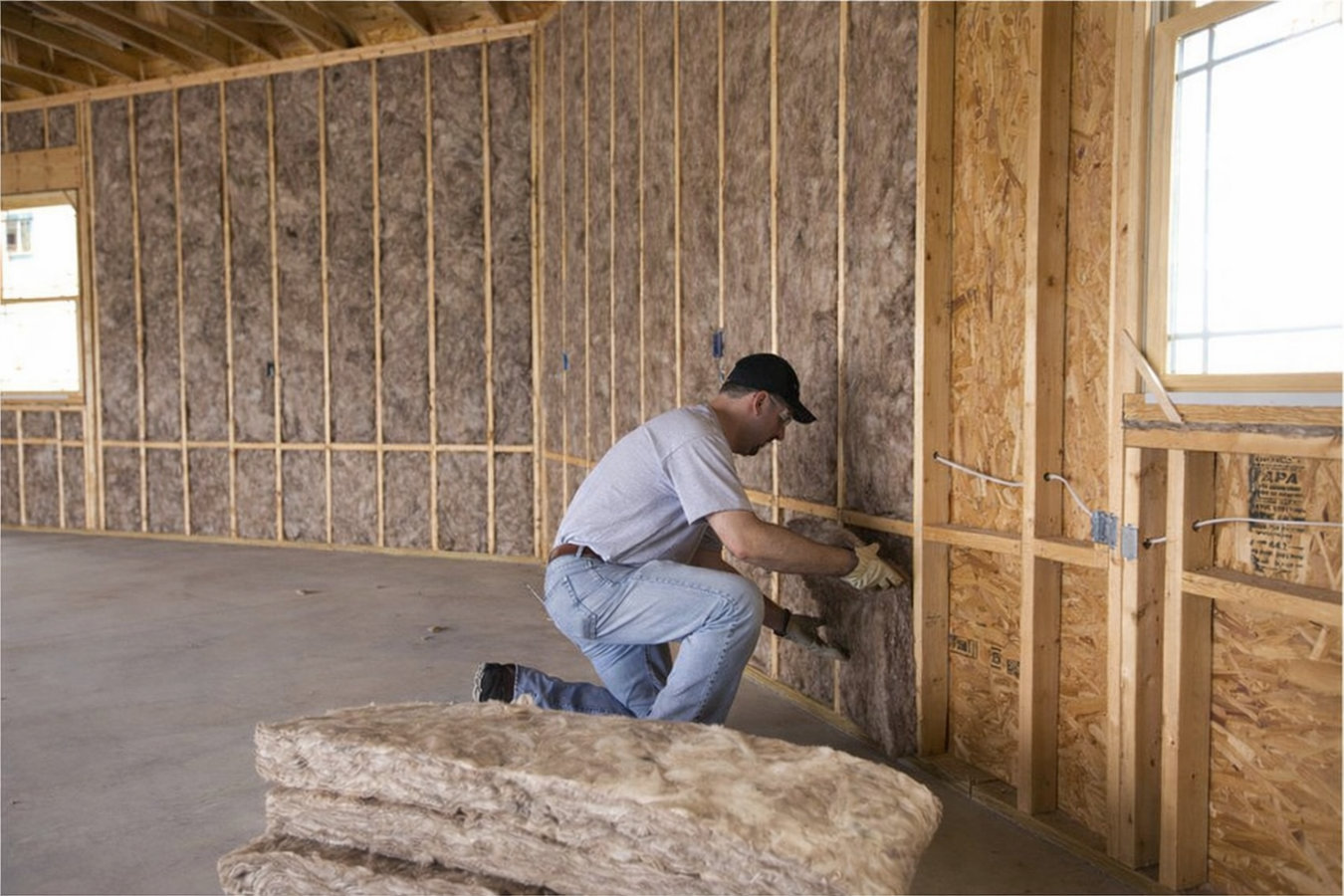
Manhattan Insulation serves Lawrence, KS homeowners with home insulation, attic upgrades, crawl space insulation, and air sealing - backed by free on-site estimates and responses within 1 business day. We have hands-on experience with the older craftsman bungalows and Victorian-era homes near KU as well as newer subdivisions on the south and west sides.
Lawrence homes span more than 130 years of construction - from late 1800s foursquares near campus to vinyl-sided ranches on the south side. Our home insulation work is matched to the specific age and construction of your house, not a one-size-fits-all approach.
Lawrence winters regularly drop below 20 degrees Fahrenheit, and an under-insulated attic is the single biggest source of heat loss in most homes here. Many homes in the Oread and Old West Lawrence neighborhoods have original attic coverage that falls well short of today's recommended levels.
Loose-fill blown-in insulation fills the irregular cavities found in older Lawrence homes - spaces where batt insulation simply does not fit without cutting and patching. It is the most practical choice for adding coverage to existing attics in the craftsman bungalows and American Foursquares common near KU.
Lawrence sits near the Kansas and Wakarusa rivers on clay-heavy soil that retains moisture year-round. Homes with open crawl spaces pull that moisture into the floor structure, softening framing and making floors cold in winter. Insulating and encapsulating the crawl space addresses both problems.
Kansas wind finds every gap in a home - around outlets, at the rim joist, through attic penetrations. Older Lawrence homes built with plaster and wood framing often have dozens of air leaks that insulation alone cannot stop. Air sealing done before insulation is added is what actually eliminates drafts.
Adding insulation to an occupied home without tearing out walls is a different skill than new construction. Lawrence has a lot of homes where walls have never been insulated - retrofit methods like dense-pack blown-in let us improve performance from the outside with minimal disruption to the interior.
Lawrence has one of the most varied housing stocks in Kansas. The neighborhoods closest to the University of Kansas - Oread, Old West Lawrence, and the blocks running off Massachusetts Street - contain homes built as far back as the 1880s. These craftsman bungalows, Victorian foursquares, and two-story colonials were built long before energy codes required minimum insulation levels. Many have plaster walls over wood lath, single-pane windows, and attics that have seen a century of Kansas winters. The clay-heavy soil under most of Lawrence expands when wet and shrinks when dry, putting ongoing pressure on foundations and basement walls - and a basement that leaks water is a basement where moisture ruins whatever insulation exists.
On the south and west sides, subdivisions built in the 1990s and 2000s present a different challenge. These homes are reaching the age - 25 to 35 years - when original insulation has settled, vapor barriers may have failed, and HVAC systems have been replaced without updating the thermal envelope to match. Lawrence summers are hot and humid, with July highs around 90 degrees Fahrenheit and regular afternoon thunderstorms, meaning insulation has to manage both heat and moisture. A home that handles one but not the other ends up with mold or uncomfortable rooms regardless of how new or old it is.
We have worked on homes in Lawrence across a wide range of ages and styles, from older wood-frame houses in the Old West Lawrence Historic District to newer construction near South Lawrence Trafficway. Lawrence sits about 40 miles west of Kansas City along Interstate 70, and the Lawrence Development Services division handles building permits for residential projects here - we are familiar with what triggers a permit in Douglas County and handle that process on your behalf when it applies.
The heart of Lawrence - the stretch along Massachusetts Street and the neighborhoods within a mile of the KU campus on Mount Oread - has some of the oldest and most character-rich homes in eastern Kansas. Working on these properties requires care. You cannot treat a 1910 craftsman the same way you treat a 2005 ranch, and we approach each job with that in mind.
Lawrence is well-connected to nearby communities we also serve. Leavenworth is about an hour north along US-73, with its own mix of older fort-era housing and postwar construction that presents similar insulation challenges. To the west along I-70, Topeka has an even larger concentration of pre-1960 homes where insulation upgrades deliver some of the biggest paybacks in the state.
We ask a few quick questions about your home - age, area of concern, and what you have been noticing. Most Lawrence homeowners hear back within 1 business day and can get on the schedule within the same week.
A contractor visits your home, inspects the attic, crawl space, and exterior walls, and gives you a written estimate before any work begins. Older Lawrence homes near KU often have surprises - we check everything and walk you through what we find.
We schedule the work around your calendar. Most Lawrence insulation jobs wrap up in a single day. Spray foam applications require you to be out of the treated area for at least 24 hours - we tell you exactly what to expect ahead of time.
After the work is finished, we walk you through the installed insulation, show you what changed, and answer any questions. You leave with a clear record of what was done and what to expect going forward.
We serve homeowners across Lawrence, KS with free on-site estimates and no-pressure quotes. Most jobs are scheduled within the same week.
(785) 236-2287Lawrence is a city of about 95,000 people in Douglas County, roughly 40 miles west of Kansas City along I-70. It is home to the University of Kansas, which enrolls around 27,000 students and is the city's largest employer. KU sits on Mount Oread, a prominent hill that overlooks downtown, and the neighborhoods that spread east and west from campus - Oread, Old West Lawrence, and East Lawrence - are packed with homes built between the 1880s and the 1930s. These streets are lined with craftsman bungalows, American Foursquares, and Victorian-era houses that give Lawrence its distinctive character. Downtown centers on Massachusetts Street, a mile-long stretch of locally owned shops, restaurants, and historic commercial buildings that most Lawrence residents know simply as "Mass Street."
Beyond the older core, Lawrence spreads into newer subdivisions to the south and west, where ranch-style homes and two-story colonials built from the 1990s onward represent a different kind of housing challenge. About 55 percent of Lawrence households rent rather than own - a reflection of the large student population - which means the owner-occupied homes here tend to be maintained by people who plan to stay for the long term and care about comfort and operating costs. Homeowners in neighboring communities are often in similar situations: Topeka to the west has a large stock of pre-1960 homes, and Leavenworth to the north has its own mix of historic and postwar housing that benefits from the same kind of targeted insulation work we do in Lawrence.
High-performance spray foam that seals and insulates in one application.
Learn moreLoose-fill insulation blown into walls, attics, and hard-to-reach spaces.
Learn moreEliminate drafts and air leaks to maximize your insulation investment.
Learn moreDense, moisture-resistant closed-cell foam for superior R-value.
Learn moreLightweight open-cell foam ideal for interior walls and soundproofing.
Learn moreCommercial-grade insulation for offices, warehouses, and retail spaces.
Learn moreHeavy-duty vapor barriers that block ground moisture in crawl spaces.
Learn moreProfessional vapor barrier installation to protect your structure.
Learn moreServing these cities and communities.
Whether your home is a century-old bungalow near KU or a newer build on the south side, we will assess it honestly and give you a written estimate with no obligation.