Loading...
Serving Manhattan, KS and surrounding areas. (785) 236-2287
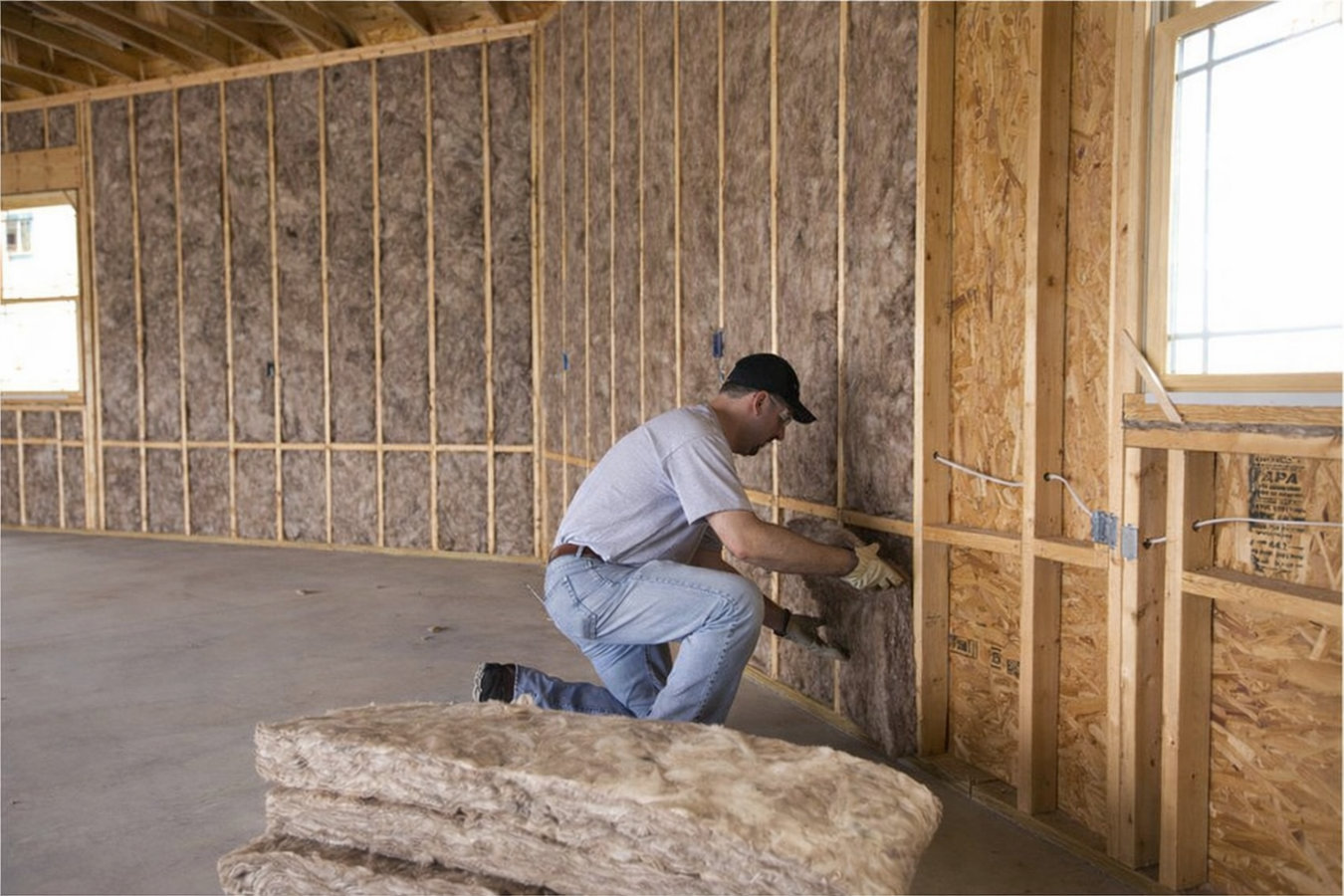
Rooms that never feel right, drafts along exterior walls, and energy bills that keep climbing - those problems have a fix. Proper home insulation covers your attic, walls, and crawl space so your whole house holds its temperature.
Home insulation in Manhattan slows heat from moving through your walls, attic, and floors in both directions - most whole-home projects are completed in two to three days and the difference in comfort is felt in the very first heating or cooling season. Insulation traps small pockets of air that resist heat flow, so your HVAC system does not have to run constantly to compensate.
Manhattan sits in Climate Zone 5, where winters are genuinely cold and summers are hot and humid. Homes built before 1985 - a common situation in neighborhoods near Kansas State University and downtown - were typically built to much lower insulation standards than what is recommended today. Many of those same homes spent years as rental properties, where insulation upgrades rarely happened. If you recently bought a home in one of those older neighborhoods, it is worth knowing what you actually have in the attic and walls before the next heating season.
If your attic is the main concern, our dedicated blown-in insulation service covers that in detail. The ENERGY STAR seal and insulate guide is also a helpful reference for understanding how much of a difference a complete upgrade can make.
If your monthly energy bills feel out of proportion to the size of your home, inadequate insulation is one of the most common causes. Manhattan's climate puts real demand on heating in winter and cooling in summer - a poorly insulated home makes both systems work far harder than they should.
Standing near an exterior wall on a cold January day and feeling a chill radiating from the surface is a sign the wall has little or no insulation. Rooms on the north or west side of your home often feel the coldest because those faces take the brunt of winter wind from the Flint Hills.
A properly insulated attic acts as a buffer between outdoor temperature and your living space. If opening the attic hatch in July hits you with intense heat, the insulation layer is not doing its job - and that heat is working its way into your rooms even with the AC running.
If pipes in an unheated crawl space or basement have come close to freezing during a Manhattan cold snap, that space almost certainly lacks adequate insulation. Insulating and sealing a crawl space protects your plumbing and makes the floors above noticeably warmer.
A true whole-home insulation project covers every layer of the building envelope. Attic insulation is typically the highest priority because heat rises and the attic is where most energy is lost in winter. Blown-in loose-fill, batt, or spray foam each have a role depending on the space and your home's construction. When walls are part of the project, we use dense-pack methods that fill cavities without tearing into finished drywall in most cases. We also handle insulation removal when old material is contaminated, water-damaged, or so thin it makes more sense to start fresh before re-insulating.
Crawl spaces and basements are where many homeowners feel the impact of insulation most directly - cold floors, frozen pipes, and moisture problems all trace back to uninsulated or unsealed below-grade spaces. We address those alongside attic and wall work so the whole home performs as a system. For homes where the original insulation is still serviceable but just thin, a retrofit insulation approach adds depth without a full tear-out.
Best starting point for most homes - addresses the area with the highest heat loss and fastest payback.
Right for older homes with little or no wall cavity fill, especially those with cold north or west-facing rooms.
Addresses cold floors, moisture risk, and pipe freeze concerns in homes with unheated below-grade spaces.
Fits finished or semi-finished basements where comfort and moisture management both need attention.
Manhattan falls in Climate Zone 5, a designation that means winters are cold enough to require serious insulation and summers are hot enough to demand it from the other direction too. The Flint Hills wind that defines this part of Kansas is persistent and finds every gap in an older home's exterior. A good insulation company here treats air-sealing as a first step - not an option - because insulation alone will not stop wind-driven infiltration the way it does in calmer climates. Homes near the K-State campus and in the older neighborhoods around downtown Aggieville are frequently found to have original 1950s and 1960s insulation that falls well short of today's recommendations.
We work across the greater Manhattan area, including homeowners in Junction City and Lawrence. Manhattan's hot, humid summers also create a moisture risk that shapes how insulation should be installed - vapor management is part of the job, not an afterthought, because moisture trapped inside walls or attics leads to mold and structural damage over time.
We respond within 1 business day. A few basic questions - home age, which areas concern you, and what you have noticed - help us come prepared to the assessment appointment.
We inspect your attic, exterior walls, and any crawl space or basement. You get a plain-language explanation of what we found and a written estimate before any work is scheduled.
On the job day, gaps and penetrations are sealed first. Then insulation is installed to the correct depth and coverage for each area. Most homeowners stay home during the work without disruption.
We walk you through everything before we leave - what was done, where, and what to expect in the first heating or cooling season. If something does not feel right after the work, we come back and take a look.
We respond within 1 business day. The assessment visit is free and there is no obligation - you will get a clear written quote that explains the scope, the materials, and the price before any decision is made.
(785) 236-2287We know what Kansas winters and summers demand from your insulation. Every recommendation we make is grounded in DOE guidelines for this climate zone - not a generic national template.
We serve 12 cities across central Kansas from our Manhattan base. Local knowledge of older housing stock near campus and newer subdivisions on the west side shapes how we approach each job.
We seal gaps before insulation goes in on every project. That step is where most of the efficiency gain lives, and skipping it means leaving real money on the table for the homeowner.
The Inflation Reduction Act provides a tax credit of up to 30 percent of qualifying insulation costs, up to $1,200 per year. We use qualifying materials and can tell you which products apply before the estimate is finalized. See details at ENERGY STAR.
A home that is properly insulated and air-sealed performs as a system, not a collection of fixes. That whole-system approach is what we bring to every project in Manhattan and across the communities we serve.
Old, damaged, or contaminated insulation safely removed before new material goes in.
Learn moreAdd insulation depth to an existing home without full tear-out - right for homes where original material is intact but undersized.
Learn moreFall and spring scheduling fills up fast - reach out now so your home is ready before the next season puts pressure on your heating or cooling system.